

Key Takeaways
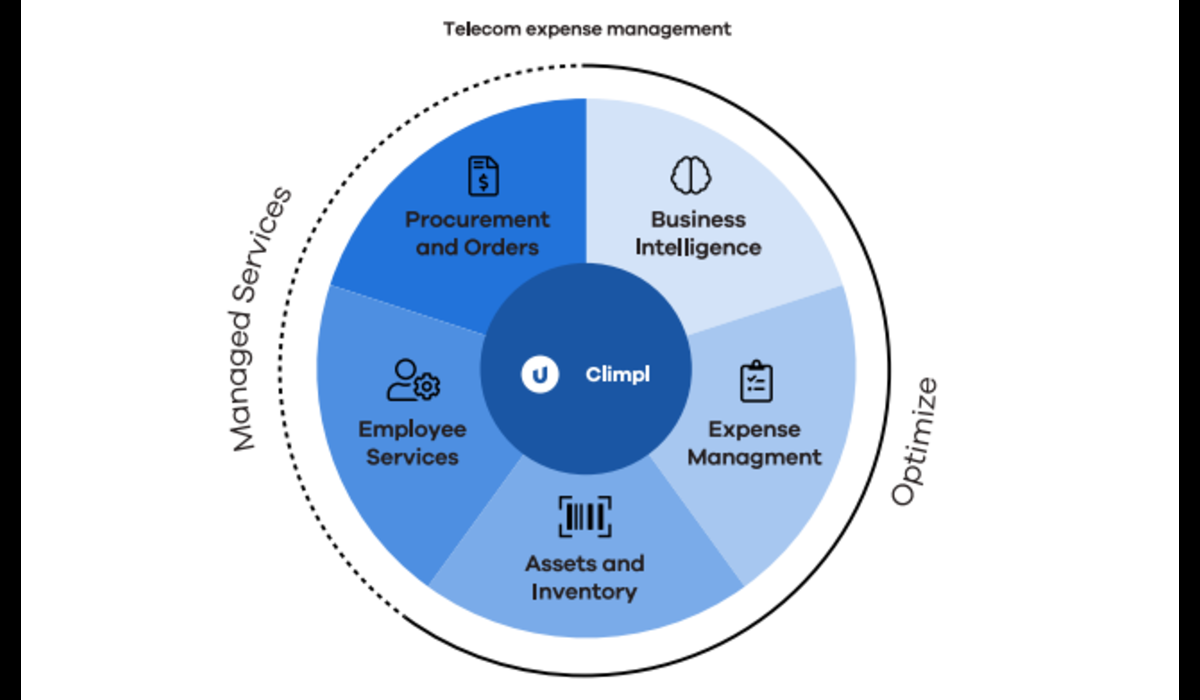
- Comprehensive inventory management ensures all telecom assets are tracked, reducing waste and compliance risks.
- Automated invoice processing and auditing minimize errors and prevent overpayments.
- Real-time usage monitoring detects anomalies and supports proactive cost control.
- Centralized contract and vendor management streamlines renewals, compliance, and negotiations.
- Advanced analytics, reporting, and system integration enable actionable insights and informed decision-making.
- Scalable and flexible TEM solutions adapt to evolving business needs, supporting long-term efficiency and savings.
Introduction
For organizations striving to control budgets and optimize telecom usage, finding the right tools is critical. As digital transformation accelerates, so does the complexity of managing numerous devices, data plans, and service contracts. Without proper oversight, telecom costs can spiral out of control, impacting profitability and business agility. Today, adopting sophisticated telecom expense management systems is widely regarded as a necessity instead of a luxury.
Relying on spreadsheets or manual processes no longer suffices for modern enterprises. Effective telecom expense management (TEM) automates tasks, enhances transparency, and delivers actionable intelligence. This guide explores the essential features every TEM software platform should offer, equipping business leaders with practical insights to optimize communications spend and operations.
Comprehensive Inventory Management
An all-encompassing inventory is the backbone of successful TEM. Accurately recording all telecom assets, from smartphones and tablets to routers and subscriptions, is indispensable for tracking and controlling usage. Advanced software centralizes inventory data, providing a consolidated overview across locations and departments. This visibility empowers managers to pinpoint excesses or underused lines, devise strategic reallocations, and deactivate redundant services.
With robust inventory management, auditing becomes seamless, ensuring that every asset is either accounted for or appropriately flagged for future review. As businesses expand or contract, a complete inventory enables them to pivot quickly, minimizing both waste and compliance risks.
Automated Invoice Processing and Auditing
Billing errors and lengthy invoice reviews sap productivity and inflate costs. Leading TEM platforms feature automation tools that systematically ingest, process, and reconcile invoices from multiple providers. This automation sharply reduces accounting errors and the risk of overpayments, while accelerating the approval workflow.
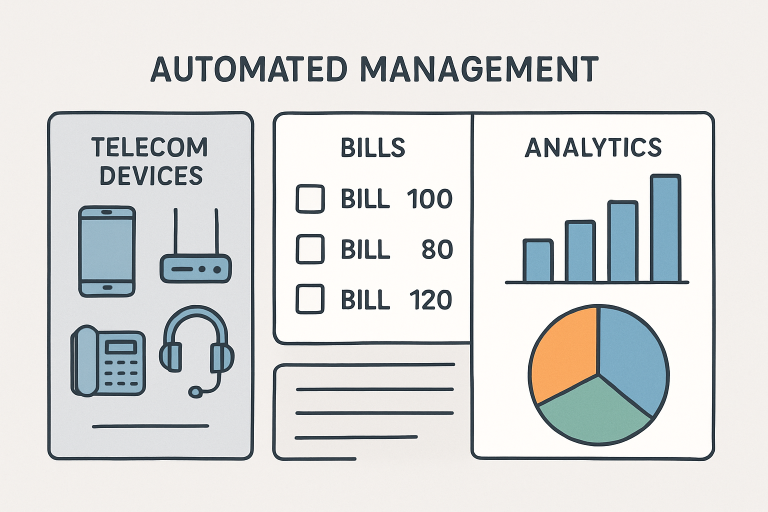
Automated invoice auditing extends beyond flagging discrepancies; it supports comprehensive validation against contracts and usage data. Businesses can trust that carrier bills align with agreed-upon terms, restricting unauthorized charges and improving compliance.
Real-Time Usage Monitoring
Real-time insights into telecom usage have become a cornerstone for proactive management. Detecting spikes, outliers, or anomalies as they happen prevents small problems from ballooning into major financial liabilities. A high-quality TEM solution integrates real-time data feeds, alerting IT or finance teams instantly when data usage exceeds business policy thresholds or when suspicious call activity arises.
Immediate visibility also helps organizations respond nimbly to service disruptions or network abuse, thereby safeguarding operations and supporting business continuity initiatives. Many enterprises use real-time analytics not only for savings but also to inform policy improvements that further streamline telecom practices.
Contract and Vendor Management
Maintaining robust relationships with multiple vendors and tracking diverse contracts is an ongoing challenge. TEM solutions should include detailed contract management features, supporting everything from renewal reminders to compliance tracking. Centralized contract repositories enable decision-makers to benchmark current terms, track contract performance, and negotiate more favorable deals during renewals.
Effective vendor management also ensures that contract obligations are honored, mitigating risks and avoiding penalties due to missed deadlines or overlooked clauses. With advanced alerting, organizations are better positioned to adapt contract strategies in response to evolving technology or business needs.
Advanced Analytics and Reporting
To unlock maximum value from telecom investments, decision-makers require clear, actionable analytics. TEM platforms with customizable dashboards and detailed reporting provide granular breakdowns, by cost center, region, or service type, that reveal trends and highlight top savings opportunities. Sophisticated analytics also aid in forecasting and supporting long-term budget planning.
Organizations that regularly analyze telecom spending are more likely to identify waste and proactively reduce costs. Comprehensive reporting also streamlines financial audit preparation and provides critical insights for ongoing business improvement.
Integration with Existing Systems
The benefits of TEM software are amplified when seamlessly integrated with existing enterprise platforms, such as accounting and ERP systems. This integration ensures the seamless flow of data, eliminates redundant entries, and provides a unified view of telecom expenses across departments. Tight integration enhances overall data integrity, streamlining both monthly reconciliations and year-end financial closes.
Without robust integrations, organizations risk data silos and inefficiencies that undermine savings and strategic agility. The most effective TEM tools feature APIs or built-in connectors to simplify integration with popular financial and HR platforms, thereby improving workflow continuity across the organization.
Scalability and Flexibility
Business communications needs are rarely static. As organizations grow, downsize, or enter new markets, their TEM software must adapt. Flexible, scalable systems support multiple currencies, languages, and regulatory frameworks to accommodate both local and international operations.
By selecting a TEM solution that anticipates future needs, companies can avoid disruptive or costly migrations later. Scalability ensures the platform remains effective regardless of user count, asset volume, or geographic footprint, safeguarding the telecom investment as the business evolves.
Final Thoughts
Optimizing your organization’s telecommunications spend begins by selecting a sophisticated TEM platform that incorporates comprehensive asset management, automated processes, real-time insights, contract oversight, analytics, integration, and scalability. By implementing these key features, businesses can achieve sustainable cost savings, enhance operational efficiency, and position themselves for future success in an ever-evolving digital landscape.