

Introduction
Erectn a topic that often sparks curiosity and concern. Essential to overall health, they are nevertheless frequently overlooked in discussions about well-being. Understanding erections goes beyond the physical aspect; they are deeply linked to psychological well-being and lifestyle. Whether you want to deepen your knowledge or help someone else, this guide offers valuable information on the true meaning of erections and how they can contribute to better health. Let’s explore this important topic together!
Definition and Synonyms of Erectn
An erection refers to the state of being erect or in a vertical position, particularly in a physical context. It is generally associated with sexual arousal, as the increased blood flow leads to an erection in men. This physiological response is essential for reproductive activity.
Synonyms for erection include firmness, elevation, and rigidity. These terms highlight different aspects of this condition, whether related to posture or improving sexual health.
Understanding these definitions allows us to approach the issue of erection from both a medical and lifestyle perspective. A better understanding can lead to healthier choices and greater well-being regarding this important aspect of human health.
Description of an Erectn
An Erectn refers to the physiological process by which the corpora cavernosa of the penis fill with blood, resulting in an erection. This natural reaction is primarily triggered by sexual arousal, but can also occur in response to non-sexual stimuli.
This mechanism relies on a complex interaction of hormones, nerves, and blood vessels. Under the influence of stimulation, signals promote the relaxation and dilation of arteries, thus allowing increased blood flow to the penis, while simultaneously constricting the veins that carry it.
This complex system ensures that, during desired or initiated sexual activity, the body responds appropriately. Maintaining a satisfactory erection is essential for overall sexual health and well-being.
The Importance of Erectns for Health
Erectn play a crucial role in physical and emotional well-being. They are not limited to sexual health; they reflect the overall functioning of the body. A satisfactory erection is often an indicator of good cardiovascular health.
Furthermore, maintaining a satisfactory erection can boost self-esteem and confidence. Many people find that a fulfilling sex life strengthens their intimate bonds and deepens their relationship with their partner.
In addition, erectile dysfunction can reveal underlying health problems, such as diabetes or heart disease. Early detection of these signs allows for prompt treatment and significantly improves long-term health.
Psychological and Physical Factors Affecting Erectn
Erectn can be influenced by various psychological factors. Stress, anxiety, and depression are common factors that can impair sexual performance. Mental health plays a crucial role in building healthy relationships and fostering intimacy.
Physical health is equally important for erections. Conditions such as diabetes, high blood pressure, or hormonal imbalances can affect blood flow and nerve function. Regular checkups can detect these problems early.
Lifestyle also contributes significantly to the quality of erections. Poor diet, lack of exercise, and smoking can make it difficult to achieve a firm erection. A holistic approach is essential to improving the situation.
Lifestyle Changes to Improve Erectn
Adopting a healthier lifestyle can significantly improve erectns. Regular exercise is essential, as it improves blood circulation and reduces stress. Aim for at least 30 minutes of moderate physical activity most days.
Diet also plays an important role. A balanced diet, rich in fruits, vegetables, whole grains, and lean protein, promotes overall health and hormonal balance. Avoid ultra-processed foods high in sugar and saturated fats.
Managing stress through mindfulness techniques or hobbies promotes mental well-being. Sufficient sleep is also essential; aim for seven to nine hours per night to properly regenerate your body. These changes, combined, naturally contribute to better erectile health.
Natural Erectn Enhancements
Natural Erectn enhancements can be an effective way to support sexual health. Many people turn to lifestyle changes, such as incorporating certain foods into their diet. Foods rich in antioxidants and healthy fats can boost blood flow and improve overall sexual function.
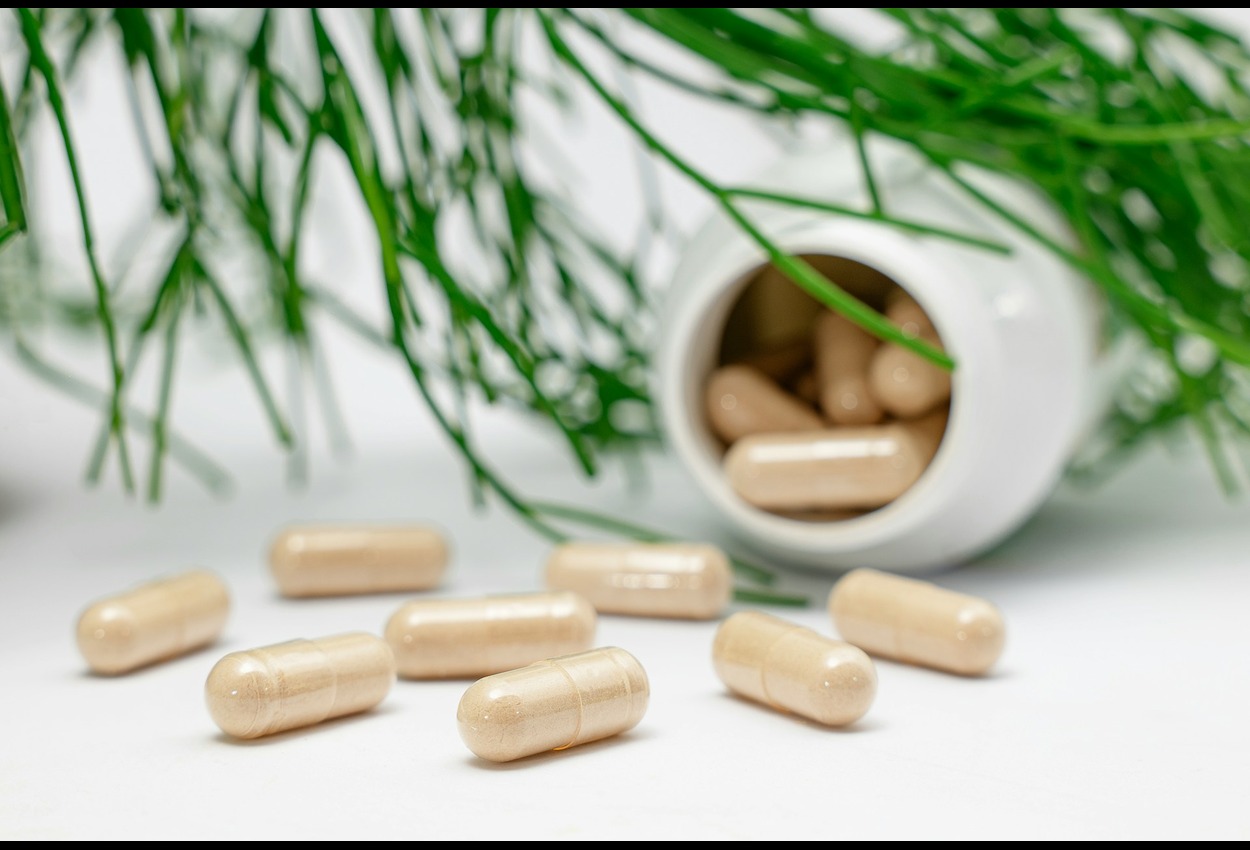
Herbal supplements are also gaining popularity. Ingredients such as ginseng, maca root, and L-arginine have shown promise in improving circulation and increasing libido. However, it is essential to consult a healthcare professional before starting any new course of supplements.
In addition, physical activity plays a vital role in naturally improving erections. Regular exercise increases testosterone levels and improves cardiovascular health, which positively contributes to sexual performance.
Medical Treatments for Erectn Dysfunction
Medical treatments for erectile dysfunction vary depending on the severity and underlying causes. A common option is taking oral medications, such as phosphodiesterase type 5 (PDE5) inhibitors, like Viagra or Cialis. These medications help increase blood flow to the penis, thus promoting better erections.
In some cases, injections directly into the penis may be recommended. This method provides rapid results and can be effective even when oral medications are ineffective. Additionally, vacuum erection devices create a vacuum that promotes blood flow.
For more severe problems, surgical options exist. Penile implants offer a permanent solution, allowing men to achieve an erection at will. Each treatment requires a consultation with a healthcare professional to determine its suitability.
Psychological Support and Guidance
Psychological support can play a crucial role in the treatment of erectile dysfunction. Often, the body and mind are interdependent, and mental health directly influences physical performance. A qualified therapist can help individuals explore underlying fears or anxieties that may be affecting their self-confidence.
Support groups also offer valuable social connection. Sharing experiences with others facing similar challenges fosters understanding and alleviates feelings of isolation. They create a safe space for open dialogue about sensitive topics.
In addition, therapeutic techniques such as cognitive behavioral therapy (CBT) can be effective. CBT helps transform negative thought patterns into positive ones, thus promoting a healthier attitude toward intimacy and self-esteem.
Prevention and Management Strategies
Preventing erectile dysfunction begins with a healthy lifestyle. Regular physical activity improves blood circulation and overall well-being. Aim for at least 30 minutes of physical activity most days.
Diet also plays a crucial role. A balanced diet, rich in fruits, vegetables, lean protein, and whole grains, contributes to cardiovascular health. Avoid excessive alcohol consumption and quit smoking to further reduce your risks.
Regular checkups with your healthcare provider are essential for the early detection of any underlying conditions. Openly communicating your concerns allows for proactive management strategies tailored to your needs.
Conclusion
Understanding the complexities of erectile dysfunction is crucial for maintaining physical and mental health. By recognizing its importance, those affected are better prepared to deal with any problems that may arise. Adopting lifestyle changes, exploring natural remedies, or consulting a doctor can significantly improve the quality of life for individuals experiencing erectile dysfunction.
Furthermore, psychological support plays a vital role in managing erectile dysfunction. Open communication about this with healthcare professionals or loved ones is essential. Implementing preventative strategies promotes lasting well-being.
Taking proactive steps to understand and improve erectile dysfunction can lead to healthier relationships and greater self-esteem. Prioritizing this aspect of health benefits not only the individual experiencing it but also their partners and their overall quality of life.