

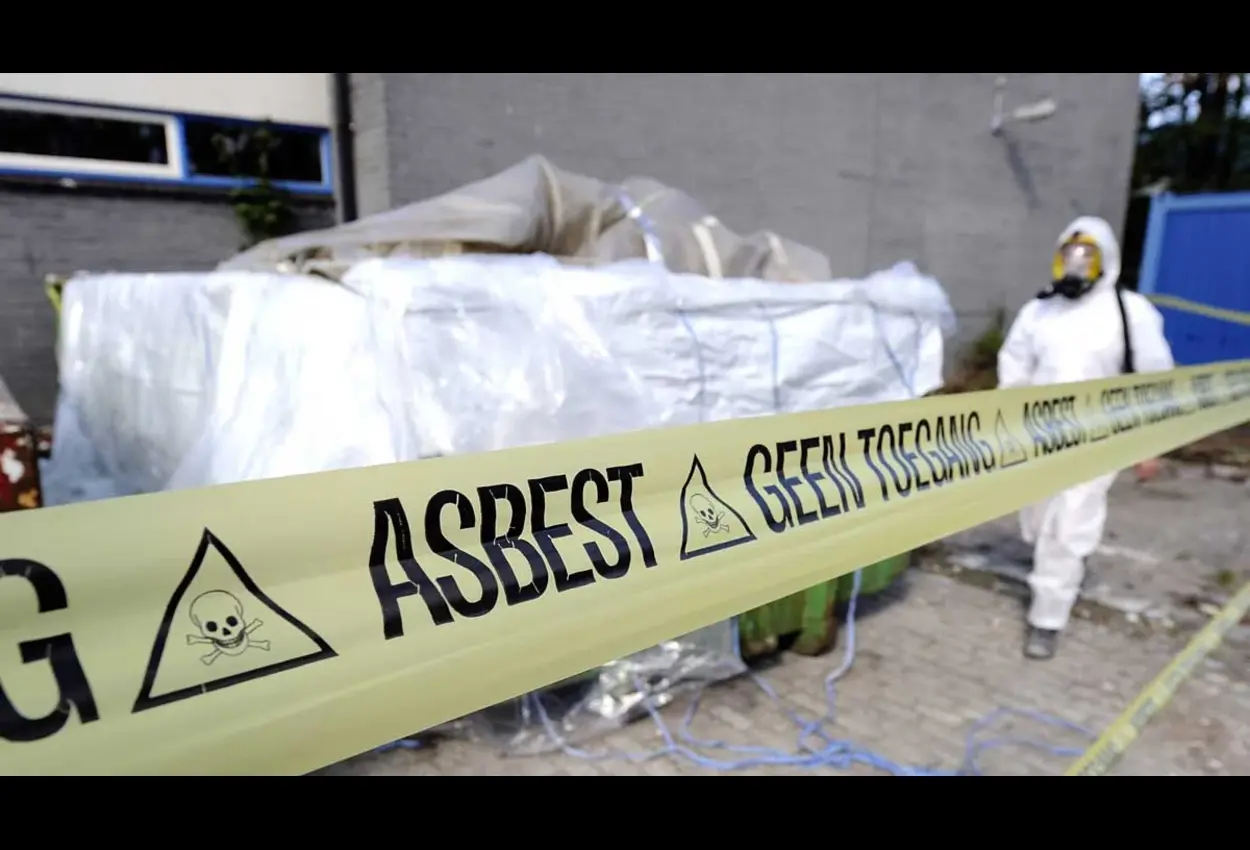
Asbestlint cement is ubiquitous in many industries, yet its complexity remains largely unknown. This seemingly harmless material is surrounded by misunderstandings and concerns. Its use, rooted in historical industrial practices, raises significant questions about safety and regulatory compliance. Whether you’re a business owner, a construction worker, or simply curious about this controversial topic, understanding asbestos cement is crucial. Embark on a journey to discover what asbestos cement really is, its applications, health risks, legal aspects, and much more, to ensure a safer environment for everyone.
Asbestos cement, commonly known as asbestos tape, is a widely used material for insulation and sealing. Its fibrous structure gives it unique properties, making it resistant to heat and chemicals. However, these same properties also present significant risks.
You may also be interested in: Prostavive Colibrim
Understanding asbestos cement involves recognizing its historical importance in industry while also being aware of the dangers associated with exposure. It is crucial to understand how this material is integrated into current safety protocols and regulations to protect workers and the environment.
Introduction
Asbestlint, also known as asbestos tape, has long been a common material in various industrial applications. Its unique properties made it a highly sought-after material for insulation and fire protection.
However, the use of asbestos carries significant health risks due to its hazardous nature. It is essential that anyone working in an industry that still uses this material understands what asbestos is and how it affects safety and regulatory compliance. Information on this topic helps mitigate the dangers of exposure.
What is Asbestlint?
Asbestlint is a type of material containing asbestos that is frequently used for insulation and fire protection. Its fibrous structure allows it to withstand extreme temperatures, which explains its popularity in various industrial applications.
However, asbestos also presents significant health risks due to its carcinogenic properties. When handled, the fibers can become airborne, leading to inhalation hazards and exposure-related illnesses. This dual nature makes understanding asbestos cement crucial for safety and regulatory compliance in workplaces where it is present.
Industrial Applications
Asbestlint cement, a type of material containing asbestos, has been widely used in various industrial applications. Its heat-resistant properties make it ideal for insulation and fire protection in buildings, ships, and vehicles. Many industries have relied on asbestos cement for its durability.
In addition to the construction sector, asbestos cement was used in gaskets and seals for machinery. This made it a valuable material in manufacturing sectors where high-temperature resistance was essential. However, the risks associated with its use led to significant changes in industrial practices over time.
Health Risks Associated with Exposure to Asbestlint Cement
Exposure to asbestos cement presents significant health risks. Microscopic fibers can easily become airborne and be inhaled, eventually causing serious lung problems. Diseases such as asbestosis, a chronic lung disease, and mesothelioma, an aggressive cancer, are directly linked to asbestos exposure.
Even brief contact can be harmful. Symptoms can take years to appear, hence the importance of recognizing the dangers associated with asbestos. Understanding these risks is essential for anyone working in an environment where this material is present or has been handled.
Detection and Handling of Fiber Cement
Detecting fiber cement requires specialized tools and technical expertise. Professionals typically use microscopy and specific air sampling techniques to accurately identify its presence. A simple visual inspection may be insufficient; therefore, a thorough assessment is essential.
Fiber cement should always be handled with care. Workers must wear personal protective equipment (PPE), including respirators, gloves, and coveralls. Strict protocols must be followed during removal or repair operations to minimize the risk of exposure. Training in proper handling practices is essential for anyone working in an environment where fiber cement may be present.
Legal and Regulatory Considerations
Fiber cement is subject to strict regulations in many countries. Authorities enforce guidelines governing its use, handling, and disposal. Compliance with these laws is crucial for businesses in industries where fiber cement may be present.
Failure to comply with regulations can result in severe penalties and legal action. Companies must conduct regular assessments and ensure that employees working near asbestos cement receive appropriate training. Staying informed about changes in legislation helps maintain safety standards while protecting worker health and the environment.
Importance of Asbestlint Awareness
It is crucial that anyone working in an area where Asbestlint may be present is aware of its presence. Understanding its properties and associated risks allows workers to take necessary precautions, reduce their exposure, and improve safety.
Furthermore, informing the public about asbestos helps establish a culture of vigilance. Communities become more proactive and demand safe practices from employers. This collective awareness not only protects individuals but also promotes compliance with regulations designed to safeguard health.
Safe Asbestlint Handling
Safe asbestos handling requires strict adherence to established guidelines. First and foremost, ensure that all personnel are trained in handling asbestos-containing materials. Use personal protective equipment, such as masks and gloves, to minimize exposure.
You may also be interested in: Cellulogia
When handling asbestos, maintain a clean and organized workspace. Isolate the area to prevent contamination. Dispose of all waste according to local regulations, ensuring it is properly labeled and contained. Regular monitoring of airborne fibers also helps protect everyone from the potential health risks associated with asbestos exposure.
Alternatives to Asbestlint in Modern Industry
Modern industry is opting for safer materials, thus reducing its reliance on asbestos. Fiberglass and mineral wool are common substitutes that offer excellent thermal insulation without the associated health risks. These alternatives are durable and meet safety standards.
In addition, cellulose or polyurethane foam products offer effective soundproofing and insulation solutions. This transition not only improves workplace safety but also promotes sustainable development. As industries evolve, the demand for innovative and non-toxic solutions continues to grow.
Environmental Impact and Asbestlint Disposal
Asbestlint poses significant environmental challenges due to its hazardous nature. Improper disposal can contaminate soil and water resources, potentially impacting wildlife and human health.
Its disposal requires strict adherence to regulations to minimize risks. Specialized facilities exist for the management of asbestos waste, ensuring its safe containment and preventing accidental releases into the environment. Proper disposal methods are essential not only for regulatory compliance but also for protecting ecosystems from the long-term effects of asbestos contamination.
Future Outlook: Is Asbestlint Doomed?
The future of Asbestlint appears uncertain. With growing awareness of its health risks, many industries are seeking safer alternatives. Regulatory bodies worldwide are strengthening regulations, which could incentivize manufacturers to completely eliminate this material.
Emerging technologies and environmentally friendly materials are gaining ground in industrial applications. Companies that once relied heavily on asbestos are now exploring innovative solutions that prioritize safety and regulatory compliance, indicating a potential shift toward less conventional practices involving the use of hazardous substances.
Conclusion: The Enduring Legacy of Asbestlint
The legacy of Asbestlint continues to influence current industries and regulations. Its historical significance lies in both its usefulness and the health risks it poses. As awareness grows, so does the responsibility for its safe handling and compliance with legal regulations.
The adoption of safer alternatives reflects a collective commitment to protecting public health while acknowledging the role of this material in industrial progress. Looking ahead, understanding asbestos remains critical, not only for safety but also to honor the memory of those affected by its use for decades.
A better understanding of asbestos empowers individuals and organizations to promote healthier environments and drive innovation toward more sustainable industrial practices.