

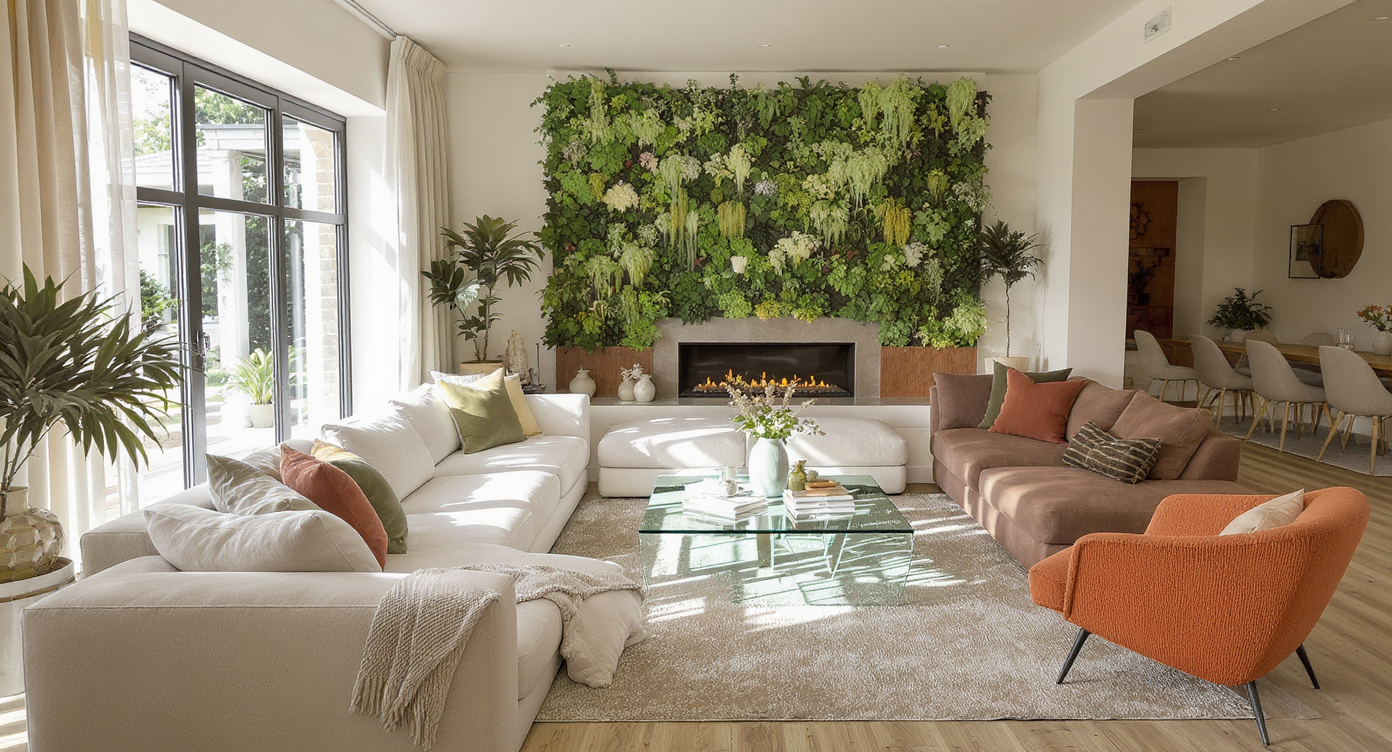
In 2026, sustainability is no longer just a buzzword—it’s a lifestyle choice and business imperative. Consumers, governments, and businesses are all increasingly focused on green living practices that reduce environmental impact, conserve resources, and promote a healthier planet. Small businesses, homeowners, and individuals alike are embracing eco-friendly trends to stay relevant, save money, and make a positive impact. This article explores the most influential sustainable and green living trends for 2026, along with actionable ways to incorporate them into daily life.
Why Green Living Matters More Than Ever
Climate change, resource depletion, and pollution are pressing global issues. Green living offers tangible benefits:
- Environmental Preservation: Reduces carbon footprint, waste, and reliance on non-renewable resources.
- Health and Wellbeing: Eco-friendly products often use fewer chemicals, promoting healthier lifestyles.
- Economic Savings: Energy efficiency, waste reduction, and sustainable choices often save money over time.
- Consumer Appeal: Brands and businesses that embrace sustainability attract environmentally conscious customers.
As we enter 2026, sustainable living is mainstream, and the trends outlined below are shaping how people live, work, and shop.
Top Sustainable & Green Living Trends in 2026
1. Renewable Energy Adoption
Renewable energy sources like solar, wind, and geothermal power are becoming increasingly affordable and accessible. In 2026:
- Home solar panels are easier to install with improved efficiency.
- Small businesses are adopting renewable energy solutions to lower utility costs.
- Community solar programs allow renters and apartment dwellers to participate in clean energy initiatives.
Renewable energy is no longer just a “green option”; it’s a smart financial decision and a key part of sustainable living.
2. Eco-Friendly Home Design
Sustainable architecture is transforming how we build and renovate homes:
- Energy-efficient appliances and smart home systems reduce electricity consumption.
- Sustainable materials like bamboo, recycled metal, and reclaimed wood are replacing traditional building materials.
- Passive design techniques optimize natural light, ventilation, and temperature control, minimizing reliance on artificial heating and cooling.
Green homes not only reduce environmental impact but also increase property value and comfort.
3. Sustainable Fashion
Fast fashion is increasingly being replaced by eco-conscious clothing choices:
- Organic and recycled fabrics are trending, reducing textile waste.
- Slow fashion brands focus on durability, timeless designs, and ethical production.
- Clothing rental and resale platforms encourage reusing garments rather than discarding them.
For 2026, sustainable fashion isn’t just a trend—it’s a movement empowering consumers to make ethical choices without sacrificing style.
4. Zero-Waste and Plastic-Free Lifestyle
Minimizing waste is central to green living:
- Refill stations for household and personal care products are gaining popularity.
- Composting and recycling programs are becoming standard in cities worldwide.
- Plastic-free alternatives for everyday items—like reusable containers, bamboo toothbrushes, and biodegradable packaging—are mainstream.
Consumers are increasingly motivated by the desire to reduce landfill waste and ocean pollution, driving brands to adopt sustainable packaging solutions.
5. Plant-Based and Sustainable Diets
Food choices are a significant factor in sustainability:
- Plant-based diets reduce greenhouse gas emissions from animal agriculture.
- Locally sourced produce supports local economies and reduces transportation-related carbon footprint.
- Regenerative agriculture practices restore soil health and biodiversity.
By 2026, more households and businesses are prioritizing eco-friendly meal planning to protect the planet and improve health.
How Businesses Can Embrace Green Trends
Small and medium businesses can integrate sustainable practices to gain a competitive edge:
- Eco-Friendly Packaging: Reduce plastic use and adopt recyclable or compostable materials.
- Energy Efficiency: Switch to LED lighting, smart thermostats, and renewable energy sources.
- Sustainable Supply Chains: Partner with environmentally conscious suppliers.
- Green Certifications: Obtain certifications like LEED, B Corp, or Energy Star to build credibility.
- Community Engagement: Promote sustainability initiatives that encourage customers and employees to participate.
Sustainability is not only ethically responsible but also attractive to customers and investors who value green initiatives.
Future Outlook for Sustainable Living
Looking ahead, the following trends are expected to grow in importance:
- AI and Smart Tech Integration: Smart devices will optimize energy use, water consumption, and waste management.
- Carbon Tracking Apps: Consumers and businesses will monitor their carbon footprint more precisely.
- Circular Economy Practices: Products will be designed for reuse, repair, and recycling, reducing overall waste.
- Eco-Friendly Transportation: Electric vehicles, bike-sharing programs, and public transportation adoption will rise.
Green living in 2026 is about holistic lifestyle changes, combining technology, mindful consumption, and sustainable practices to create long-term impact.
Conclusion
Sustainable and green living is no longer optional; it’s a necessity for a healthier planet and a thriving economy. In 2026, trends like renewable energy, eco-friendly home design, sustainable fashion, zero-waste lifestyles, and plant-based diets are shaping how individuals and businesses approach daily life.
By embracing these trends, individuals can reduce their environmental footprint, and businesses can position themselves as leaders in responsible, future-ready practices. Green living is not just about protecting the planet—it’s about creating a better, more sustainable lifestyle for generations to come.