

Key Takeaways
- Eco-friendly flooring materials are set to dominate, known for their charm and low environmental footprint.
- Classic patterns like parquet and checkerboard receive modern updates through sustainable manufacturing.
- Advancements in flooring technology deliver resilient, easy-to-care-for products that often replicate the look of natural materials.
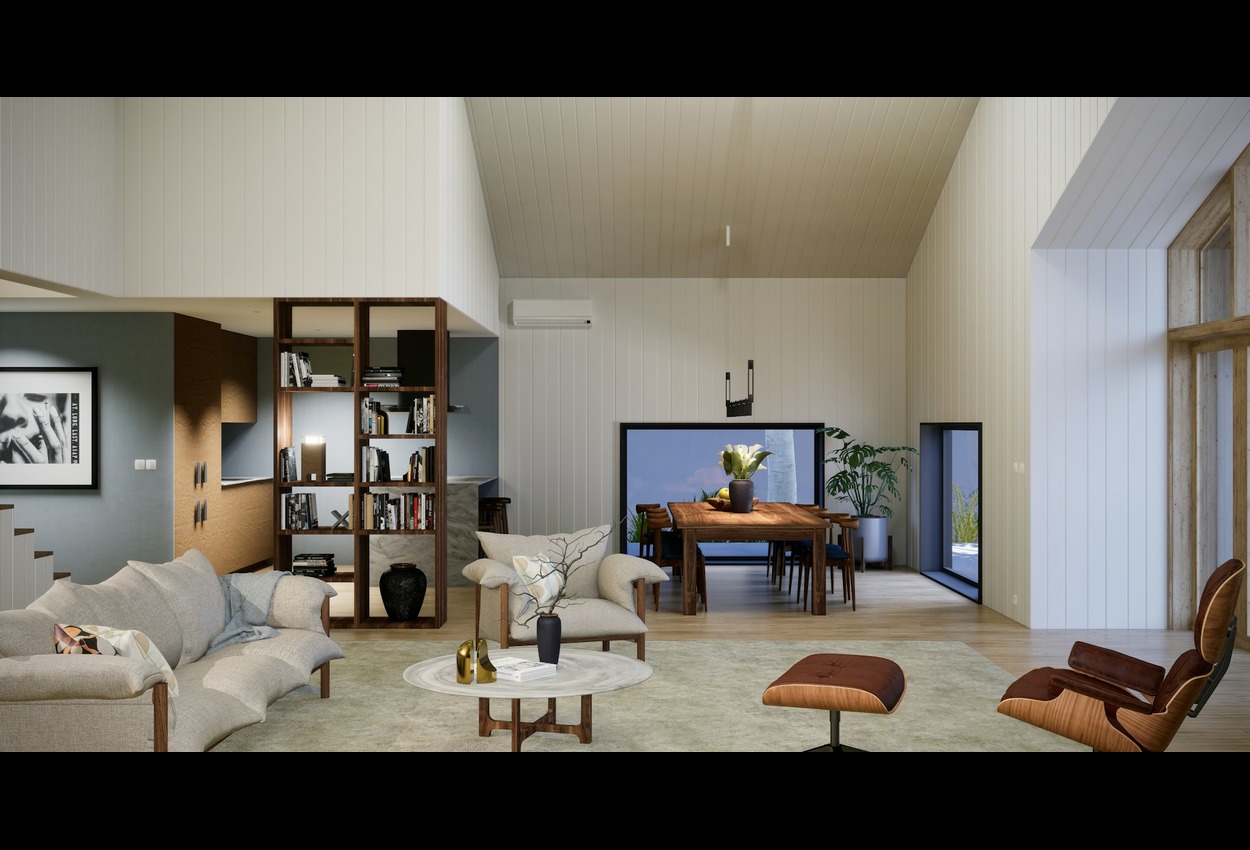
As more homeowners prioritize environmental consciousness, sustainable flooring options are emerging as a top choice in modern interior design. The shift toward eco-friendly living is redefining the look and feel of today’s homes through materials and practices that benefit both the environment and personal well-being. Industry experts like Soen Hardwood have played a significant role in the rise of these new trends, making sustainable luxury more accessible than ever.
Choosing sustainable flooring now means more than picking something “green.” Homeowners can enjoy beautiful, unique styles that are also durable and low-maintenance. With innovative materials and timeless design patterns, eco-friendly flooring offers endless possibilities for creating chic spaces that are also responsible and future-focused.
Eco-Friendly Materials Leading the Way
Bamboo, cork, and reclaimed wood headline the list of sustainable flooring materials making waves in modern homes. Bamboo stands out for its rapid renewability, reaching maturity much faster than traditional hardwoods and offering comparable durability. Its sleek appearance is ideal for contemporary spaces and can handle daily wear with ease. Cork, harvested from living trees without cutting them down, brings softness, excellent insulation, and a touch of nature indoors. Reclaimed wood gives new life to timber from old structures, adding character and rich history while reducing demand for new lumber. Together, these materials not only shrink your home’s carbon footprint but also deliver warmth and individuality to each room.
In addition to these standouts, innovative companies are experimenting with plant-based composites, recycled fibers, and even sustainable linoleum made from natural oils and resins. These ongoing developments offer even more options for homeowners seeking attractive, guilt-free flooring solutions.
Innovative Design Patterns
Timeless flooring designs are resurfacing, thanks to eco-friendly manufacturing practices. Parquet flooring, once a symbol of elegance in grand estates, is now popular in modern homes for its dynamic geometric appeal. When crafted from sustainable woods and finished with non-toxic finishes, it becomes both a stylish and responsible choice.
Checkerboard layouts, recognized for their striking contrast and classic vibe, are also making a comeback. Updated in natural hues and environmentally-friendly materials, this pattern bridges old-world sophistication with modern sensibilities. Patterns like these allow homeowners to express personal style without compromising on sustainability.
Advancements in Low-Maintenance Flooring
The latest technological advancements are solving one of the biggest challenges in flooring: maintenance. Engineered wood flooring, for example, offers the familiar warmth and texture of hardwood, but with enhanced moisture and scuff resistance. This makes it a reliable fit for households with kids or pets where floors see heavy use.
Porcelain and ceramic tiles remain favored for kitchens, entryways, and other high-traffic areas. Now crafted with sustainable sourcing and improved coatings, these tiles stand up to stains, scratches, and frequent cleaning while mimicking the organic aesthetics of stone or wood. Such innovations help reduce replacement frequency, thereby decreasing waste and environmental impact.
Warm, Earthy Tones Dominating Color Palettes
A clear movement toward nature-inspired tones is influencing the world of flooring. Warm shades such as honey oak, golden chestnut, and deep walnut infuse interiors with a welcoming, cozy ambiance. These hues work seamlessly with a range of design styles, offering designers and homeowners the flexibility to personalize their spaces.
In moving away from cooler, stark grays, contemporary flooring aims to make homes feel nurturing and grounded. Earthy tones also pair well with other natural elements, such as indoor plants, woven furnishings, and soft textiles, to create harmonious, balanced interiors.
Embracing Recycled and Repurposed Materials
Flooring that incorporates recycled content is steadily gaining favor, especially among homeowners seeking to combine performance and responsibility. Recycled glass tiles, crafted from post-consumer waste, offer beautiful, shimmering finishes suitable for high-moisture areas like kitchens and baths. Each tile’s unique patterns and translucence add visual interest while diverting materials from landfills.
Recycled rubber flooring made from repurposed car tires delivers comfort and unparalleled durability. Its shock-absorbing quality makes it an excellent choice for playrooms, home gyms, and mudrooms. These recycled solutions can be tailored to different uses and design tastes, while keeping significant waste out of the ecosystem.
Integration of Biophilic Design Elements
Biophilic design, which integrates natural elements into the built environment, is increasingly influencing flooring decisions. Natural materials and organic layouts foster a closer bond between homeowners and the outdoors. Floors inspired by natural vistas or showcasing wood grain and subtle stone effects underscore this connection, making homes feel more inviting and calming.
Conclusion
Sustainable flooring trends are redefining what it means to live stylishly and responsibly. Through eco-friendly materials, fresh takes on classic patterns, and ongoing advancements in manufacturing, modern homeowners can enjoy beautiful, practical, and earth-conscious interiors. As these trends continue to evolve, they empower anyone to make meaningful design choices that respect the planet without sacrificing design or comfort.
 Voolahm