


Key Takeaways
- Regular septic system maintenance saves money by preventing costly repairs.
- Proper upkeep safeguards property value and ensures a healthy living environment.
- Maintaining your system protects local water sources and the broader ecosystem.
Table of Contents
- Introduction
- Financial Benefits of Regular Maintenance
- Preserving Property Value
- Health Implications of Septic System Neglect
- Environmental Impact of Failing Septic Systems
- Best Practices for Septic System Care
- Conclusion
Introduction
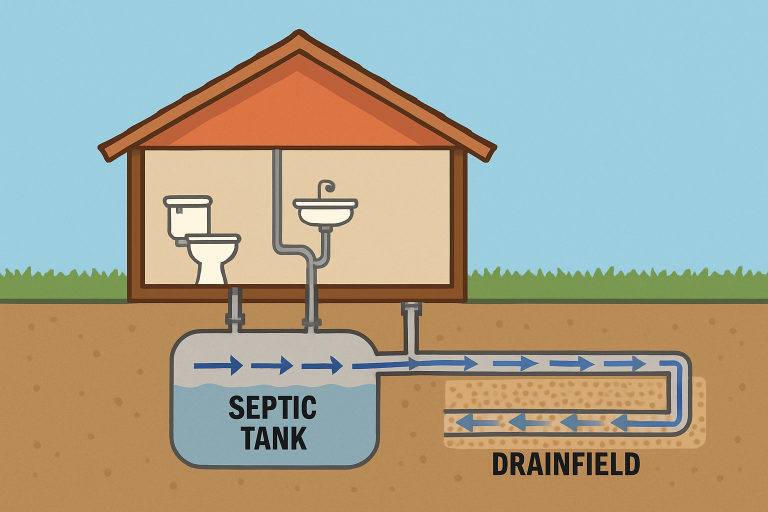
For homeowners in rural and suburban areas, septic systems play a vital role in managing household wastewater where city sewer connections are unavailable. These underground systems treat and disperse wastewater on your property but require proactive maintenance to function at their best. When cared for properly, a septic system protects not only your home’s value but also your family’s health and the greater community. To keep your system running efficiently, rely on knowledgeable local providers such as Affordable Septic Service Denver.
Neglecting maintenance can result in leaks, groundwater contamination, backup, and expensive repairs. By committing to routine inspections and upkeep, homeowners prevent severe disruptions and limit the risk their wastewater systems pose to neighbors and the environment. Investing in care today also reduces costly surprises and preserves the long-term value of your property.
Financial Benefits of Regular Maintenance
One of the most immediate benefits of routine septic system maintenance is significant cost savings. Inspections and scheduled pumping, which typically range from $250 to $500 every three to five years, are quite manageable compared to the high price of major system repairs or complete replacement, which can reach $15,000. Small problems, such as clogged pipes or minor leaks, are easier and cheaper to fix if spotted early during regular check-ups.
Neglected systems can result in wet yards, backflows of untreated sewage, and even the loss of landscaping. Homeowners may also face fines or higher insurance costs if a failed system is deemed a health hazard or a threat to the local water supply. According to the U.S. Environmental Protection Agency (EPA), routine maintenance not only protects your family from unexpected repairs but also defends the investment you have made in your property.
Preserving Property Value
The condition of your septic system is closely tied to your home’s overall worth. Real estate agents and prospective buyers routinely ask about the system’s status during property transactions, and a neglected or malfunctioning system can decrease your home’s marketability. Problems such as slow drains, unpleasant odors, or wet patches in the yard are red flags for buyers and inspectors alike.
If repair or replacement is needed, the property sale may be delayed or canceled. In addition, buyers may request price reductions or require the seller to fix the septic system problem before closing. Proactive care not only prevents such headaches but also helps ensure your home retains its value and appeal in the competitive real estate market.
Health Implications of Septic System Neglect
Neglected septic systems become breeding grounds for dangerous bacteria and viruses, as well as excess nutrients that can seep into nearby groundwater or surface water. When untreated sewage enters these water bodies, local wells, rivers, or lakes can quickly become contaminated. This scenario increases community exposure to waterborne illnesses and puts vulnerable residents, such as children and the elderly, at greater risk.
The Centers for Disease Control and Prevention (CDC) warns that untreated sewage contamination can lead to the spread of diseases like cholera, hepatitis, and other gastrointestinal illnesses. If your system is not functioning correctly, nearby animals and ecosystems may suffer too. Regular maintenance of your system helps create a safer neighborhood for your family and the wider community. For further discussion of health risks, review these CDC insights about septic systems.
Environmental Impact of Failing Septic Systems
Septic systems process over four billion gallons of wastewater each day in the United States alone. When systems fail, the pollutants discharged do not simply vanish. Instead, bacteria, viruses, and hazardous chemicals can leach into groundwater, streams, and lakes. This pollution damages critical habitats, disrupts aquatic food chains, and harms plants, fish, and shellfish.
Additionally, excess nitrogen and phosphorus from a failing system can cause harmful algae blooms, which deplete oxygen in affected waters and can be toxic to both humans and animals. By ensuring your system is regularly inspected and pumped, you help keep your local waterways clean and vibrant. For more details on the impact of sanitation on water quality, visit the New York Times coverage of septic systems and climate change.
Best Practices for Septic System Care
- Regular Inspections: Schedule professional inspections every three years and before buying or selling a home.
- Pumping: Pump your tank every three to five years, depending on family size and water usage.
- Water Conservation: Use water efficiently to avoid overloading the system. Fix leaky faucets and consider installing low-flow plumbing fixtures.
- Proper Waste Disposal: Avoid flushing wipes, plastics, grease, or hazardous chemicals, which can clog or disrupt biological processes.
- Drainfield Protection: Never drive or park vehicles, build structures, or plant trees over the drainfield area to prevent soil compaction and root invasion.
Adopting these best practices helps extend the lifespan and improve the efficiency of your septic system, leading to fewer emergencies and less environmental risk. Regular maintenance is a simple yet highly effective way to protect your investment and community.
Conclusion
Caring for your septic system involves more than just protecting your own property; it is an investment in the health and sustainability of your entire community. Routine inspections, prompt repairs, and adherence to best practices can prevent costly emergencies and promote clean water supplies. By taking the steps outlined above and working with trusted experts, you are ensuring a safer, more valuable, and environmentally responsible home.