

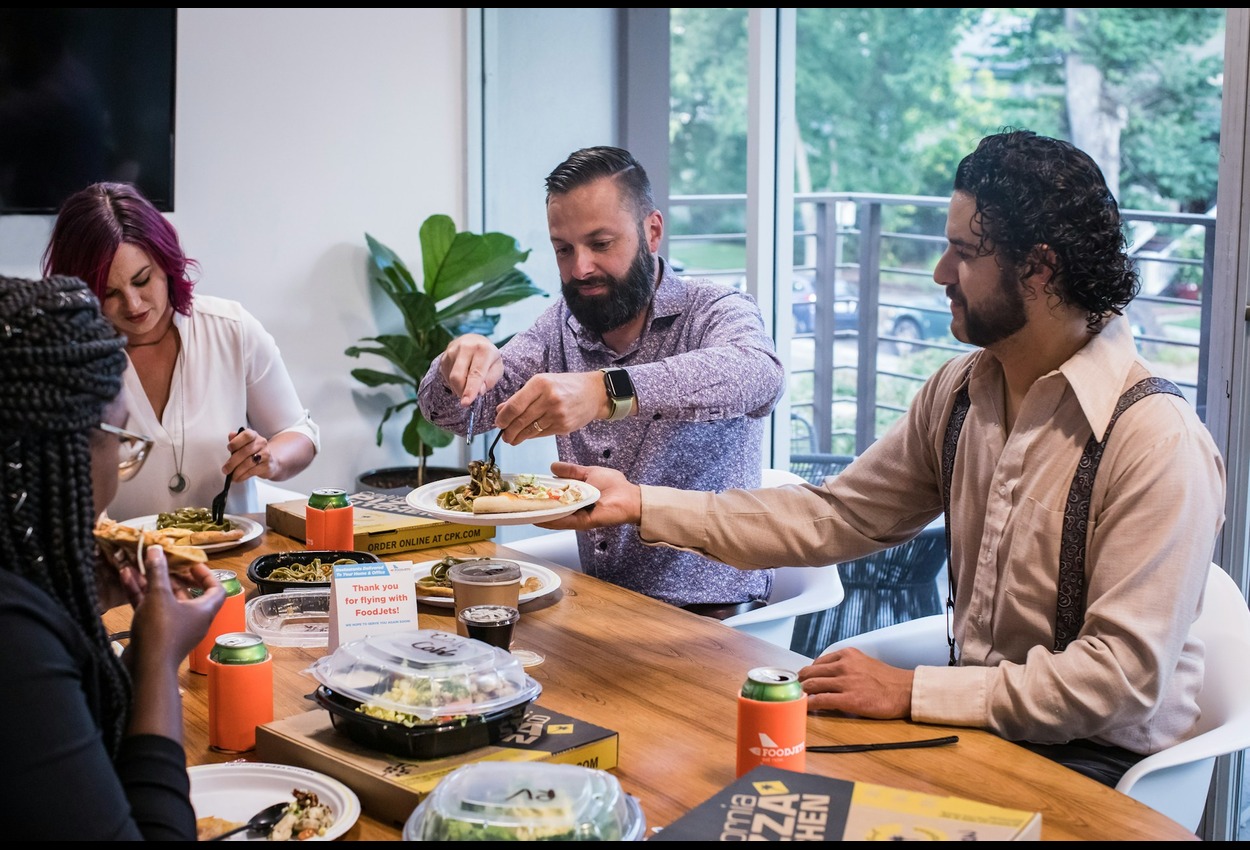
In Sweden, everyday customs often reflect deep-rooted cultural values. Bjudlunch is a prime example: this simple yet meaningful practice continues to shape social and professional relationships across the country. While the word literally translates as “guest lunch” or “offering lunch,” its cultural significance extends far beyond simply paying the bill. Bjudlunch symbolizes generosity, equality, and the importance of building genuine connections through shared experiences.
In a world dominated by virtual meetings and a hectic pace, this tradition invites us to relax, sit together, and engage in heartfelt conversation. Whether hosted by a superior, colleague, friend, or family member, a guest lunch creates a space conducive to dialogue, appreciation, and collaboration.
The Meaning of the Word
The term combines bjuda (to invite or offer) and lunch. Unlike splitting the bill, a common practice in many cultures, a bjudlunch clearly indicates that a person or organization is the host. Taking responsibility for the meal symbolizes appreciation and goodwill.
In Swedish culture, characterized by modesty and balance, gestures are rarely extravagant. On the contrary, they are considerate and practical. The bjudlunch fits naturally into this context. It’s not about luxury or flaunting social status, but about strengthening bonds in a relaxed and egalitarian atmosphere.
The host organizes the lunch, but the atmosphere remains informal and welcoming. This simplicity contributes to the strength of this tradition.
The bjudlunch in the Swedish Workplace
One of the most common contexts for the bjudlunch is the professional environment. Swedish companies are known for their collaborative structure and relatively flat hierarchies. Leaders often prioritize accessibility to authority, and inviting employees to lunch fosters this dynamic.
Companies can organize a luncheon to:
- Welcome new team members
- Celebrate a successful project
- Mark important company milestones
- Encourage brainstorming in a relaxed environment
- Recognize and reward good work
Unlike formal meetings with strict agendas, these luncheons allow conversations to flow naturally. Employees often feel more comfortable sharing their ideas or concerns at a table than in a conference room.
The informal nature of a shared meal helps reduce the perception of hierarchy. Managers and employees interact more freely, which strengthens mutual trust. This trust translates into smoother communication and more effective teamwork.
Strengthening Team Culture
Organizational culture is built not only through policies and strategies but also through daily interactions. A company-sponsored luncheon contributes to a sense of belonging within teams. When management takes the initiative to organize a lunch like this, it sends a clear message: “You matter, and your contribution is valuable.”
Recognition doesn’t always require grand ceremonies. Often, a thoughtful lunch invitation is enough to boost morale. Employees who feel valued are more likely to stay engaged and involved.
Furthermore, new employees benefit greatly from this tradition. Starting a new job can be daunting. A company-sponsored lunch offers the opportunity to get to know colleagues in a more informal setting, thus facilitating integration and making it less intimidating.
Fostering Open Communication
One of the main advantages of Bjudlunch is the atmosphere it creates, which fosters genuine dialogue. During the meal, people relax. Conversations become more personal and less formal. This atmosphere encourages employees to share ideas they might hesitate to express in formal meetings.
Informal gatherings also allow leaders to listen. Instead of presenting slides or leading structured discussions, they can observe team dynamics and gain valuable insights through informal exchanges. These moments often reveal valuable information that might otherwise be overlooked.
In industries that prioritize innovation and collaboration, this open communication is essential. A simple lunch can generate creative ideas or strengthen collaborations in ways that structured meetings don’t always allow.
Cultural Values Reflected by Bjudlunch
To fully understand the significance of this tradition, it’s helpful to consider Swedish cultural values in a broader sense.
Equality
Swedish society places great importance on equality. Workplace hierarchies tend to be less rigid than in many other countries. Sharing a meal, without excessive formality, reinforces the idea that everyone’s voice matters.
Lagom
The concept of lagom, meaning “just right,” is fundamental to Swedish culture. The Bjudlunch reflects this principle. It’s neither extravagant nor minimalist. Balance is key: good food, pleasant company, and enriching conversation.
Community
Community and cooperation are deeply ingrained in Swedish life. From fika (coffee breaks with pastries) to shared Christmas traditions, social rituals foster connections. The Bjudlunch fits naturally into this dynamic.
These values combine to create an environment where generosity is spontaneous, not a facade.
Beyond the office: social and family contexts
Although often associated with the professional world, the Bjudlunch is also found in private life. Friends invite each other over to celebrate a birthday, an achievement, or simply to enjoy a pleasant moment together. Family members often use this gesture to express gratitude or maintain close bonds.
In these contexts, the meaning remains the same: the host offers not only food, but also time and attention. Sharing a meal becomes a way to cultivate relationships.
Unlike formal dinners, a lunch offered to a loved one is more relaxed and spontaneous. It allows for connection without the pressure of complex preparations.
Practical Tips for a Successful Bjudlunch
If you’re planning one, careful preparation can enhance the experience.
Choose the Right Setting
Opt for a comfortable location that encourages conversation. This could be a cozy restaurant, the company cafeteria, or even a pleasant outdoor space when the weather is nice.
Consider Dietary Needs
Inclusivity is key. Be mindful of dietary restrictions and preferences. Offering alternatives demonstrates respect and consideration for everyone.
Create a Relaxed Atmosphere
Avoid turning the lunch into a formal meeting. If business topics arise, let the conversation flow naturally. The goal is to build rapport, not to give a presentation.
Express Your Appreciation
A few heartfelt words can leave a lasting impression. Thank participants for their contributions and attendance.
Stay Connected
After the lunch, maintaining contact reinforces the positive impact of the meeting. Whether through ongoing collaboration or a simple thank you, following up helps strengthen relationships.
The Psychological Impact of Sharing Meals
Studies consistently show that eating together strengthens relationships. Sharing meals fosters trust and empathy. When people sit at the same table, they unconsciously align themselves. This alignment can improve cooperation and reduce conflict.
At work, these effects translate into concrete results. Teams that build social connections tend to perform better under pressure. They communicate more effectively and resolve disagreements more easily.
Inviting someone over adds another dimension. It demonstrates appreciation and recognition, two powerful motivators.
Lunch in the Digital Age
With the rise of remote work and hybrid offices, maintaining team cohesion can be a challenge. While virtual meetings are convenient, they lack the warmth of face-to-face interactions.
Some organizations have adapted this tradition creatively. For example, some companies send meal vouchers to their remote workers and organize virtual lunches. While these initiatives don’t replace a shared meal, they aim to preserve this spirit of generosity and connection.
In physical offices, reintroducing lunches after periods of remote work can help revive team spirit and rebuild personal relationships.
A Tool for Leadership Development
For managers and executives, hosting an informal lunch can be an opportunity to practice empathetic leadership. It demonstrates their availability and willingness to engage in dialogue beyond their formal authority.
Leaders who participate in informal conversations gain a better understanding of their teams’ motivations, strengths, and concerns. This understanding fosters more effective decision-making and strengthens loyalty.
Often, simply listening during lunch has a greater impact than a structured speech.
Economic and Social Simplicity
Unlike corporate seminars or expensive events, a company-sponsored lunch requires relatively modest resources. Its effectiveness doesn’t depend on prestigious venues or sophisticated menus. The emphasis is on sincerity and interaction.
This simplicity makes this tradition accessible to companies of all sizes. Both startups and large corporations can adopt it without significant expense.
Since this gesture is culturally rooted in moderation, avoid appearing excessive or promotional. It is the authenticity of the act that gives it its true value.
Why Bjudlunch Remains So Important
In a fast-paced professional environment, essential human relationships are sometimes neglected. Deadlines, digital communication, and performance indicators often take precedence in our daily lives.
Bjudlunch reminds us that human relationships remain the key to success. Organizations are not just systems of tasks, but also communities of people. Investing time in these relationships pays off in the long run.
For individuals, offering lunch is a gesture of gratitude and strengthens bonds. For companies, it reinforces culture and trust. For society as a whole, it perpetuates a tradition steeped in generosity and equality.
Conclusion
Bjudlunch is much more than just a meal. It reflects Swedish values: balance, openness, and friendliness. By inviting others to share a meal, hosts create an environment conducive to genuine exchange and sincere appreciation.
At work, this tradition strengthens collaboration and morale. In our private lives, it nurtures friendships and family ties. Its strength lies not in ostentation, but in intention.
As modern life becomes increasingly digital and fast-paced, traditions like the Bjudlunch remind us of the importance of slowing down and connecting face-to-face. A simple invitation to lunch can build trust, stimulate creativity, and deepen relationships like few other gestures can.
Ultimately, this practice endures because it satisfies a universal need: to feel valued, included, and heard. And sometimes, a simple place at the table is enough to fulfill that need.