

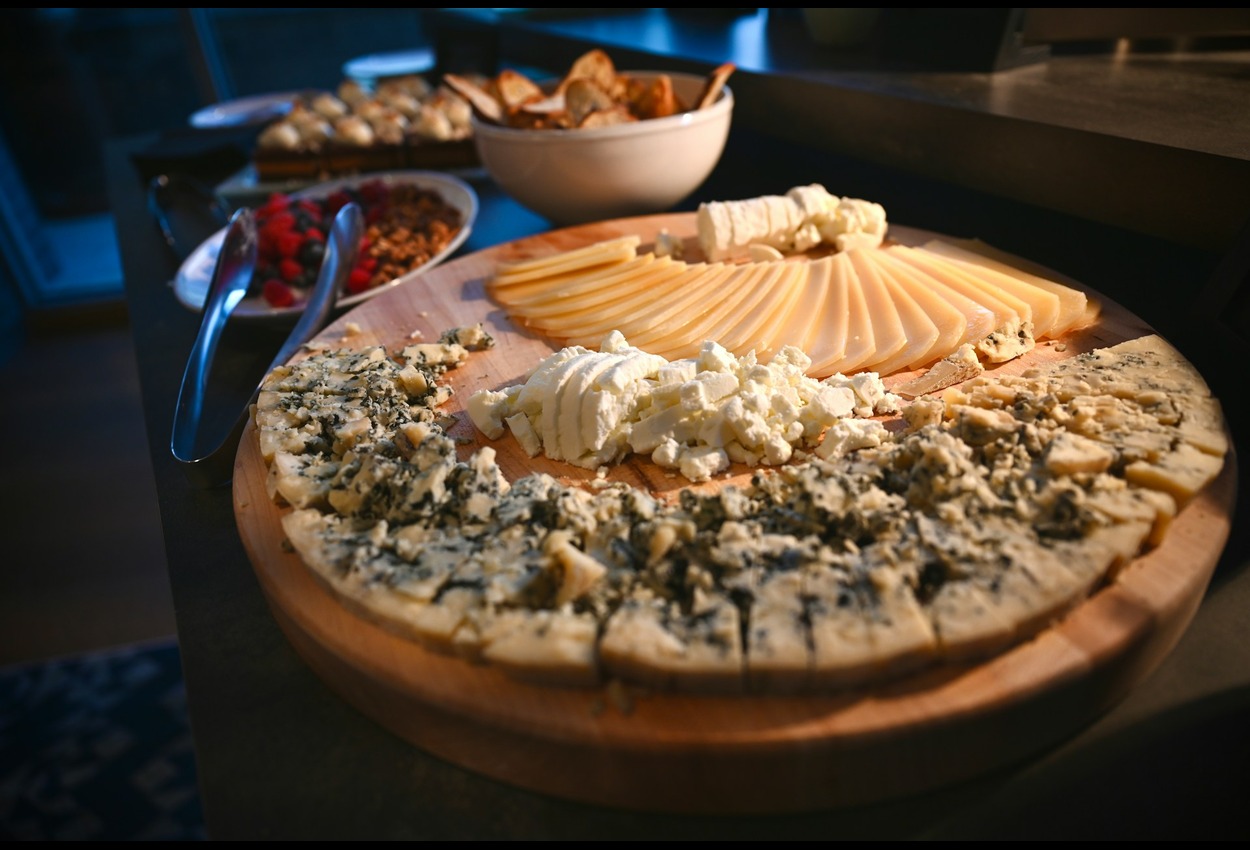
Welcome to the delicious world of masgonzola! This unique cheese is more than just a culinary delight; it’s a journey through history and flavor that will tantalize your taste buds. Whether you’re a seasoned chef or an adventurous home cook, masgonzola opens up endless possibilities in the kitchen. Join us as we explore its rich origins, nutritional benefits, and creative ways to incorporate this exquisite cheese into your meals. Get ready to elevate your dishes with the intense flavors of masgonzola!
Masgonzola Unveiled: History, Flavor, and Culinary Uses
The fascinating history of masgonzola dates back to Italy, where it was created in the 9th century. This blue cheese quickly won over audiences with its distinctive flavor and creamy texture. Legend has it that local farmers discovered its unique taste by chance one winter night.
Masgonzola’s aromatic profile is rich and tangy, with earthy notes that make it incredibly versatile. Crumbled over a salad or melted into a sauce, this cheese adds depth to any dish.
In cooking, masgonzola is a key ingredient in gourmet recipes. It pairs beautifully with fruits like figs and pears, and elevates savory tarts and pasta dishes.
What is masgonzola?
Masgonzola is a unique cheese originating from Italy, specifically Lombardy. It’s a blue cheese with a rich, creamy texture that delights the palate. Its intense yet balanced aromatic profile makes it a fascinating accompaniment to a wide variety of dishes.
This artisanal cheese is made from cow’s milk and undergoes a special aging process. Its characteristic blue mold gives it depth and complexity. Each bite reveals nutty notes mingled with a touch of acidity.
Chefs and home cooks alike appreciate Masgonzola for its versatility in both sweet and savory dishes. From salads to sauces, this cheese elegantly enhances any meal.
History and Origin of Masgonzola
Masgonzola is an Italian cheese originating from the northern regions of Lombardy and Piedmont. This creamy cheese is believed to have been created in the late 19th century, derived from traditional blue cheeses like Gorgonzola.
Its name, “Masgonzola,” reflects its artisanal heritage, blending local dialects with references to its illustrious predecessors. Artisan cheesemakers have perpetuated time-honored techniques to achieve its unique flavor.
With Masgonzola’s growing popularity, this cheese has become a staple not only in Italy but also worldwide. Chefs and home cooks have embraced it for its versatility and rich flavor, making it an essential ingredient in modern cuisine.
Nutritional Benefits of Masgonzola
Masgonzola is not only a delicious cheese, but it also offers numerous nutritional benefits. Rich in protein, it contributes to muscle health and promotes tissue repair. One serving can contribute to your daily calcium intake, essential for strong bones.
Rich in essential vitamins such as B12, masgonzola helps energize the body and maintain nerve health. It is also a source of healthy fats that, when consumed in moderation, promote cardiovascular health.
The presence of probiotics makes this cheese beneficial for gut health. These beneficial bacteria facilitate digestion and contribute to overall well-being.
Comparison of Masgonzola with Other Cheeses
Masgonzola stands out from other cheeses due to its unique flavor. Unlike sharp cheddar or creamy brie, masgonzola offers a balance of acidity and sweetness that delights the palate. Its blue veins give it a complexity that distinguishes it from milder varieties.
Compared to other blue cheeses like Roquefort or Gorgonzola, masgonzola has a creamier texture. It’s an excellent choice for those who appreciate a rich mouthfeel without being overly salty.
Furthermore, while many cheeses pair well with wines and fruits, masgonzola’s versatility shines in both savory and dessert dishes. Its ability to enhance a variety of flavors is truly remarkable.
How to Incorporate Masgonzola into Your Diet
Masgonzola can elevate your everyday meals with its rich flavor. Crumble it over fresh salads for a unique touch. It pairs beautifully with fruits like pears and figs, enhancing both the flavor and the presentation.
Try adding masgonzola to creamy pasta sauces for a rich touch that will perfectly coat any pasta. This cheese adds depth to simple dishes, effortlessly elevating them.
For a savory snack, spread it on crusty bread or add it to dips. This versatile cheese can transform any meal into a memorable culinary experience.
Recipes with Masgonzola
Masgonzola adds a unique touch to many dishes. Try crumbling it over a fresh salad with pears and walnuts for a delicious crunch. The creaminess of masgonzola pairs perfectly with the sweetness of the fruit.
For pasta lovers, prepare a rich sauce by melting masgonzola in heavy cream and then adding your favorite pasta. This dish easily transforms a comforting classic into a sophisticated meal.
Pizza night? Substitute masgonzola for traditional mozzarella for a burst of flavor. Its intense taste pairs perfectly with savory ingredients like prosciutto or sautéed mushrooms for an unforgettable result.
Why try masgonzola?
Masgonzola is a cheese that deserves your full attention. Its creamy texture and intense flavor enhance any dish, making it a versatile ingredient to add to your culinary repertoire.
Tasting masgonzola opens you up to new taste experiences. Whether you use it to top a salad or melt it into a sauce, this unique cheese brings depth and richness.
It’s not just any cheese; it’s a true adventure for your taste buds. Discover how its distinctive character can transform everyday meals into gourmet creations that will impress your loved ones.
Prosecchini: The best wines and dishes to pair with this delicacy
Prosecchini, with its intense aromas and creamy texture, pairs perfectly with a variety of wines. A dry white wine, such as a Pinot Grigio or a Sauvignon Blanc, can enhance its richness and flavor. Sparkling wines are also an excellent choice thanks to their refreshing bubbles.
For food pairings, consider serving masgonzola on a fresh salad or with a charcuterie board. Its rich flavor pairs wonderfully with cured meats like prosciutto or salami.
For a more substantial meal, accompany it with thin pasta drizzled with olive oil or roasted vegetables for a delicious contrast of flavors.
Squid: The Art and Science of Perfect Cooking
Squid, a delicate and prized delicacy, requires careful cooking. The secret lies in the timing: overcooked, it becomes rubbery. Ideally, cook it for 30 seconds to 3 minutes over high heat.
Use fresh squid. Clean them thoroughly before cutting them or leave them whole for stuffing. Marinate them briefly in lemon juice or spices to enhance their flavor.
Choose your cooking method wisely: grilling adds a smoky note, while frying provides a crispy texture. Accompany them with flavorful sauces like aioli or marinara to elevate every bite and make it a true culinary delight.
Palentu: A Versatile Dish That Transcends Borders
Palentu is a delicious dish that showcases the versatility of masgonzola. This unique cheese elevates palentu, lending it depth and creaminess. Whether enjoyed as a savory main course or a comforting side dish, the possibilities are endless.
Palentu pairs well with a multitude of ingredients: aromatic herbs, vegetables, meats… Incorporating it into melted masgonzola creates an unforgettable flavor that elevates this classic. Served with roasted vegetables or grilled meats, it makes a delicious meal.
What’s remarkable about palentu is its adaptability to different cultures. From Italian kitchens to rural homes around the world, it’s a popular dish everywhere; each region adds its own personal touch.
Adding masgonzola to your palentu not only enriches its flavor but also opens up new culinary possibilities. Experimentation is key: unleash your creativity and discover how this exquisite cheese transforms simple ingredients into an extraordinary dish!