

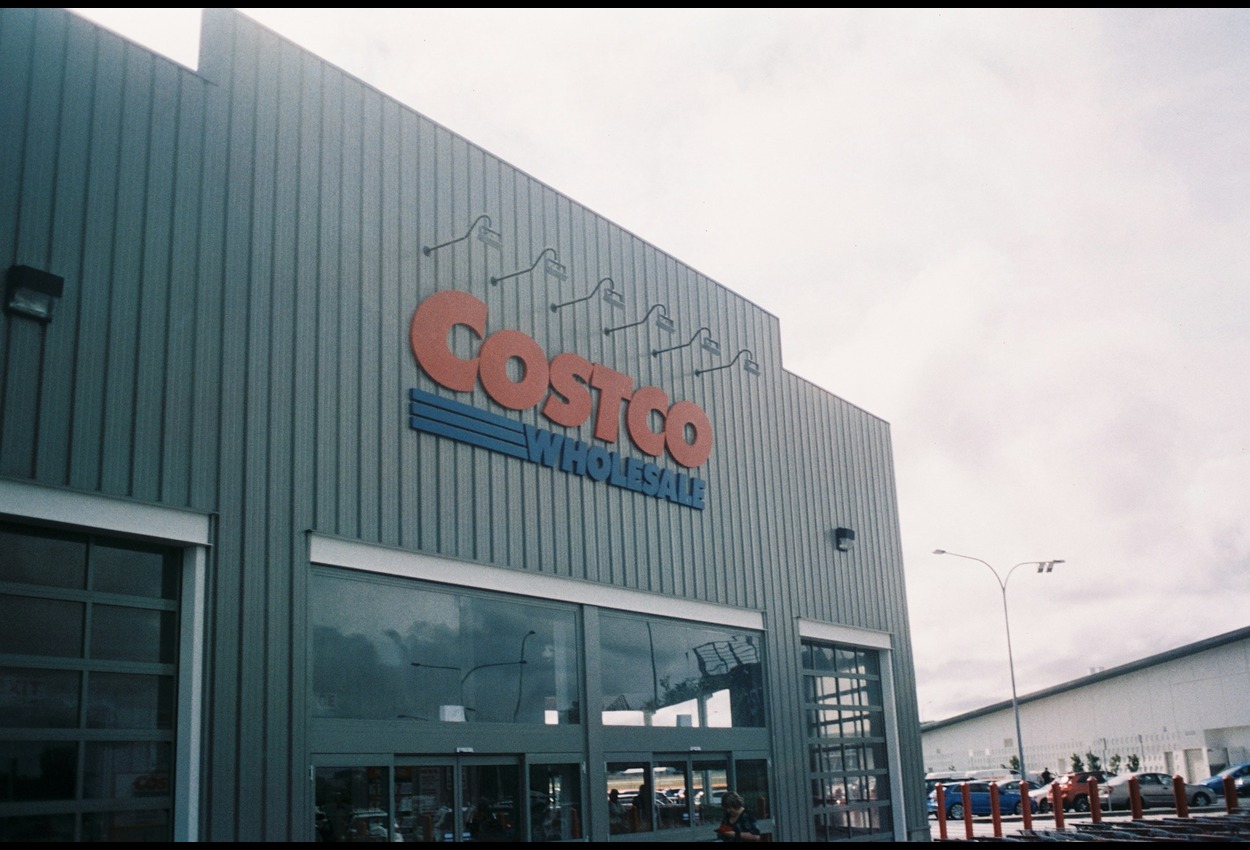
For decades, the department store model has been dominated by a few key players, with Costco often considered the undisputed king of wholesale. The formula is well-known: pay an annual membership fee for access to vast aisles, a limited product selection, and exceptional savings. But what happens when a Costco rival launches megastore that challenges each of these fundamental principles? The arrival of such a competitor signals more than just new competition; it reveals shifts in consumer loyalty and a retail landscape ripe for reinvention.
This isn’t simply about opening a new store. It’s about a fundamental reshaping of the retailer-consumer relationship. As established giants like BJ’s Wholesale Club aggressively expand into new territories like Texas, and as innovative concepts with radically different models emerge, the very definition of value is being redefined. This article explores the strategies transforming the department store industry, examining what these launches mean for your budget and the future of our shopping habits.
The Radical Shift: A Megastore Focused on Access, Not Exclusivity
The most disruptive concept to have recently made waves is that of a megastore that flips the traditional department store model on its head. Its most radical change? Membership is entirely optional. Customers can walk right in, browse thousands of items, and then decide whether they want to sign up for a membership offering a larger discount for an annual fee significantly lower than the industry average.
This “try before you buy” approach redefines the value proposition. Instead of being a mandatory cost, membership becomes an option—a shift that directly empowers the consumer. This model capitalizes on modern shopping behaviors, characterized by subscription fatigue and a reluctance to consider abstract upfront costs. In times of anxious inflation, the ability to see and compare prices before committing is a compelling argument.
Beyond membership, this new megastore challenges another fundamental principle of department stores: limited selection. While traditional department stores select a limited range of items for the sake of efficiency, this store offers a much wider assortment. The brand combines wholesale staples with culturally specific and specialty products, aiming for a less standardized and more international image. This strategy deliberately targets customers who feel underserved by the uniform offerings of national chains, appealing to families, small businesses, and communities seeking both affordable prices and a sense of belonging.
The long-standing competitor: BJ’s Wholesale Club accelerates its expansion
While new concepts explore the limits of the model, established competitors are not standing idly by. BJ’s Wholesale Club, a longtime competitor of Costco and Sam’s Club, is embarking on a major geographic expansion, with Texas as its primary target. The company is building several new warehouses in the Dallas-Fort Worth area, slated to open in spring 2026.
This move represents a direct bet on market share in a high-growth region. BJ’s is banking on its unique club model, which the company claims allows members to save up to 25% on everyday grocery prices. The expansion also includes a strategic focus on fuel, with executives indicating their intention to offer the lowest gas prices on the market—a key factor in building member loyalty.
BJ’s membership rates offer a clear and competitive alternative. The company offers a standard Club membership for $60 per year and a Club+ membership for $120, which includes additional fuel discounts. This rate is more advantageous than Costco’s Executive membership ($130 per year) and positions BJ’s as an affordable option, particularly thanks to its market conquest strategy.
Why now? Evolving consumer behavior is driving change.
The success of these new launches hinges on profound shifts in consumer psychology and economic realities.
The quest for a seamless and advantageous shopping experience: Today’s consumers are wary of constraints. The optional subscription model eliminates the main obstacle—sign-up fees—and fosters trust and loyalty through positive shopping experiences, rather than contractual obligations.
Inflation and bulk buying: Economic pressures have made bulk buying a necessity for many families, rather than a mere convenience. However, consumers are hesitant to commit to large sums. Retailers offering discounts on bulk purchases, with simplified access requirements, are ideally positioned to address this situation.
Subscription fatigue: From streaming services to meal kits, consumers are scrutinizing recurring fees. Warehouse store memberships are also under close scrutiny. In this context, more flexible and affordable models are finding particular resonance.
Demand for diversity: The standardized national assortment no longer satisfies all consumers. They want to find products that reflect their community and culture, a demand that the new megastore model precisely addresses.
The domino effect: What are the consequences for Costco and the sector?
The arrival of serious competition does not necessarily mean the downfall of giants. Brand loyalty, operational excellence, and Costco’s cult brand status are considerable assets. However, competition is most effective when it forces established companies to revise their forecasts.
Costco may not abandon its membership model, but could innovate in other areas. This could include:
- More flexible trial memberships: longer or more affordable trial periods to reduce initial risk.
- Flexible access: Explore more affordable membership options, 100% digital memberships, or memberships with specific benefits.
- Product ranges tailored to local markets: Incorporate more regional and cultural products to better serve diverse communities.
- Enhanced benefits: Focus more on unique perks (such as travel services or insurance) that justify the membership price, beyond in-store savings.
The ultimate impact of a Costco rival launches megastore may not be measured in direct market share, but rather in the subtle mechanisms influencing the evolution of the entire sector. This demonstrates that even the most established business models are not immune to doubt and adaptation.
In conclusion
Your wallet benefits when giants have to innovate. The department store industry is no longer static. It’s transforming under the impetus of innovative concepts that challenge mandatory membership and established players launching aggressive growth campaigns. From self-service hypermarkets to BJ’s strategic expansion into Texas, these initiatives directly address your consumer expectations: more choice, fewer constraints, and unbeatable value.
This competition benefits shoppers. It translates into a wider range of bulk purchases, increased pressure on prices and membership fees, and a greater likelihood that retailers will go the extra mile to earn your loyalty. The next time you consider renewing your department store membership, the market may offer an interesting alternative to explore.
 Seoexpert6t6