

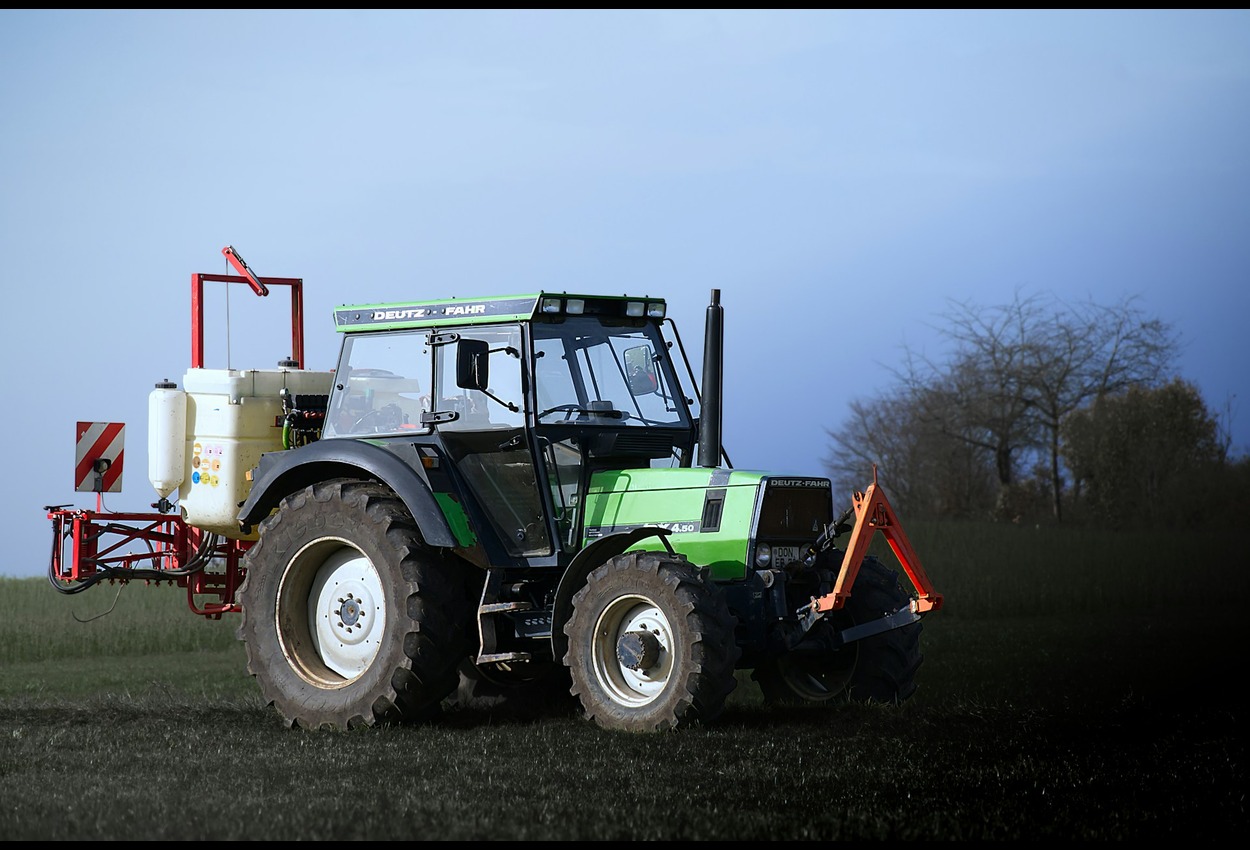
Afruimwagens is revolutionizing many sectors, and rightly so. These versatile vehicles combine functionality and efficiency, making them indispensable tools in today’s ever-changing world. From traversing rough terrain to navigating urban environments, agricultural machinery possesses unique characteristics that meet a wide variety of needs.
From agriculture to construction, their applications are limitless. This blog post will immerse you in the world of agricultural machinery, exploring its rich history and evolution over the years. You’ll discover the different types available on the market today and learn how modern innovations have shaped these high-performance machines.
Whether you’re curious about their advantages or wondering how to operate them safely, we have all the answers. We’ll also discuss their essential role in agriculture and offer advice on choosing the right machine for your specific needs. Join us as we explore not only the performance of agricultural machinery, but also its future!
You may also be interested in: Agtalk online platform for farmers and agricultural experts
What is an Afruimwagens?
Afruimwagens are specialized vehicles designed for various tasks, primarily in agricultural settings and on rough terrain. These machines combine the robustness required for intensive work with the versatility needed to adapt to all types of terrain. Their design generally incorporates features that optimize maneuverability and efficiency, making them essential assets in many sectors.
Often resembling compact trucks or utility vehicles, agricultural tractors are designed to withstand harsh conditions while delivering reliable performance. They are equipped with powerful engines and advanced technologies that allow operators to perform demanding tasks with ease.
The name “agricultural tractor” comes from their agricultural origins, where they were initially developed to facilitate farming activities. Over time, these vehicles have become versatile tools used in various sectors.
Their adaptability is one of their major strengths; Whether for transporting goods or performing agricultural work, Afruimwagens can be customized to meet specific needs. This flexibility has made them popular with farmers, landscapers, and construction professionals.
History and Evolution
The history of Afruimwagens is deeply rooted in farming traditions. Initially designed for transporting goods and agricultural products, these trailers were essential to rural life. They met the needs of farmers who sought reliable ways to move their harvests from the fields to market.
Over time, their design evolved considerably. The earliest models were simple wooden carts pulled by livestock, but advances in materials led to the design of more robust and durable structures. The introduction of wheels offering better traction facilitated transport across varied terrain.
In recent decades, technology has played a crucial role in the transformation of agricultural trailers. Innovations such as hydraulic systems and lightweight materials have improved their efficiency and ease of use. With the modernization of farming methods, the need for higher-performance versions, capable of carrying heavier loads while remaining environmentally friendly, has become increasingly apparent.
Modern agricultural trailers are versatile machines used not only in agriculture, but also in construction and other sectors. Their evolution reflects broader trends toward sustainability and efficiency in industries that rely on heavy transport solutions.
Types of Afruimwagens
There are several types of Afruimwagens, each designed for specific tasks and environments. The standard agricultural trailer is a common model, often used for general transport within farms. Its robust construction makes it ideal for transporting heavy loads over rough terrain.
Another common variant is the agricultural trailer, designed specifically to meet agricultural needs. This model typically incorporates specialized attachments that improve productivity during planting or harvesting. It can be equipped with tools such as plows or seed drills for maximum efficiency.
For farmers working in urban areas, compact agricultural trailers are essential. These smaller models are perfect for maneuvering in tight spaces while still offering sufficient load capacity. They allow businesses to efficiently deliver their products in urban areas without compromising performance.
Electric agricultural vehicles represent a modern innovation in this field. Thanks to environmentally friendly energy sources and cutting-edge technology, these vehicles not only reduce their carbon footprint but also offer quieter operation, making them suitable even for residential areas or sensitive environments.
Features of Modern Afruimwagens
Modern Afruimwagens are equipped with a wide range of features designed to enhance their functionality and efficiency. Their robust construction, often using high-quality materials, ensures high durability, even under harsh conditions. This makes them ideal for various applications in agriculture and other sectors.
The integration of advanced technologies is another important feature. Many current models incorporate GPS systems for precise navigation, facilitating efficient fieldwork management. Operators can now easily follow their routes and optimize their performance.
Furthermore, modern Afruimwagens benefit from an ergonomic design focused on operator comfort. Features such as adjustable seats and control placement help reduce fatigue during long workdays, allowing operators to maintain productivity without compromising their health.
Safety enhancements are also common on modern agricultural vehicles. Equipped with reflective surfaces and high-performance braking systems, these vehicles prioritize operator safety when traveling on rough terrain or in challenging working environments.
Advantages of Using Afruimwagens
Afruimwagens offer numerous advantages that improve efficiency across various sectors. Their robust design allows them to transport heavy loads, making them a reliable option for agricultural work and construction sites. This durability translates into fewer breakdowns and maintenance needs, saving time and money.
Another major advantage is their versatility. Afruimwagens can be used on different types of terrain and easily adapt to both rural and urban environments. This adaptability makes them an essential tool in various industries, ensuring that specific operational requirements are met.
Operator comfort is also paramount for modern Afruimwagens. Many models are equipped with ergonomic features, such as comfortable seats and intuitive controls, which reduce operator fatigue during long workdays.
Furthermore, the integration of advanced technologies has significantly improved safety standards. Enhanced braking systems and stability controls provide peace of mind when traversing challenging terrain or transporting valuable materials.
How to Use It Safely
Operating Afruimwagens safely is essential to preventing accidents and ensuring efficiency. Before operating an agricultural trailer (Afruimwagen), familiarize yourself with the operator’s manual for your specific model. Each model may have specific features that require particular attention.
Always perform a pre-use check. Inspect the vehicle for any signs of wear or damage, including the tires, brakes, and hydraulic system. Address any issues before setting out to ensure safe operation.
When loading an Afruimwagens, distribute the weight evenly to maintain balance. Avoid exceeding the weight limit specified by the manufacturer. An overloaded or improperly loaded trailer can cause a rollover or loss of control while driving.
Prioritize visibility and communication in the work area. Use safety signals when working near other people and ensure the path is clear before proceeding. Wearing appropriate personal protective equipment also enhances safety; therefore, do not neglect this crucial step when operating heavy machinery such as farm trailers.
Afruimwagens in Agriculture
Farm trailers have become increasingly important in modern agriculture. These versatile vehicles are designed to perform various tasks on the farm, from transporting goods to assisting with fieldwork. Their robust construction and adaptability make them suitable for different types of terrain, allowing farmers to move effortlessly even in challenging landscapes.
In agricultural production, farm trailers play a crucial role in logistics. They ensure the efficient transport of harvested products, guaranteeing the rapid distribution of perishable goods to markets. This efficiency helps reduce waste and maximize profits, essential elements for the sustainability of farms.
In addition to transportation, these vehicles also facilitate other agricultural activities such as plowing and tillage. By attaching specialized equipment, farmers can optimize their operations, saving time and reducing labor costs.
You may also be interested in: MyGreenBucks Kenneth Jones : A Complete Journey
Choosing the Right Afruimwagens
Choosing the right Afruimwagens involves understanding your specific needs. Start by assessing the tasks you plan to perform. Each application requires different features, so consider whether you need robustness for heavy loads or versatility for a variety of tasks.
Next, think about the terrain your forklift will be operating on. If you work in challenging environments, opt for models designed for increased stability and traction. The type and size of the wheels can significantly impact performance on uneven surfaces.
Don’t overlook the importance of capacity. An underpowered model will struggle to handle heavy loads, while an overpowered model could lead to unnecessary expenses. Finding the right balance is essential for optimal efficiency.
Always consult customer reviews and expert recommendations before making a purchase. Practical experience can reveal aspects not mentioned in the product specifications, helping you make an informed decision tailored to your needs.
The Future of IT
The future of freight transport vehicles looks promising thanks to the constant evolution of technologies. Innovations in design and functionality are making these tools more efficient than ever. With the arrival of electric and hybrid models, we can anticipate a transition to eco-friendly solutions that reduce carbon footprints.
The integration of smart technologies is also booming. Features such as GPS tracking, automated loading systems, and advanced safety measures will improve usability in various environments. Operators will be able to focus on productivity while relying on intelligent systems for lifting heavy loads.
Furthermore, sustainable development is becoming a priority for manufacturers. With the increasing importance placed on environmentally friendly practices, we could see the emergence of materials that are not only durable but also recyclable or biodegradable.
As industries adapt to evolving market demands, freight transport vehicles will inevitably become more versatile. Companies in the agricultural, construction, and logistics sectors will find new ways to integrate these vehicles into their operations.
Thanks to ongoing research and development efforts focused on improving performance and user experience, the potential applications of agricultural trailers seem limitless. As they evolve in step with technological advancements, it is clear they will remain an essential tool in many sectors for years to come.